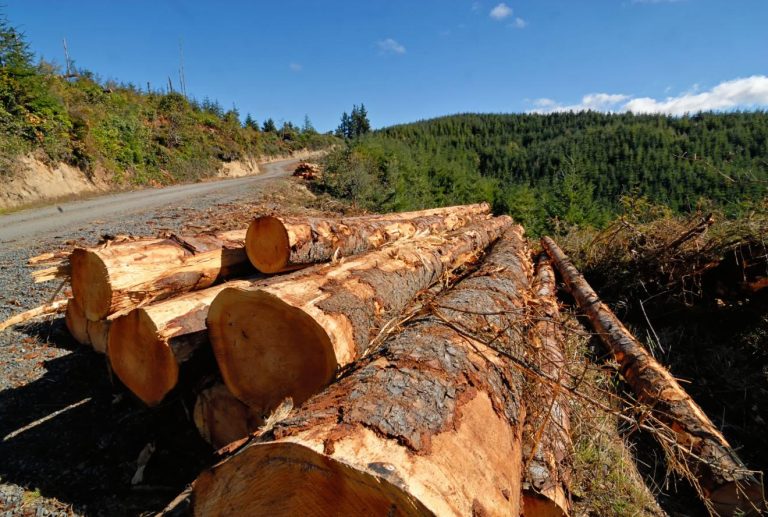
Global Nature Positive Summit 2026 (Photo: PEFC)
At the Global Nature Positive Summit 2026 in Kumamoto, PEFC will explore how sustainable forest management connects biodiversity, climate, livelihoods and responsible forest products, and why implementation matters as much as ambition.
Nature positive has become one of the defining concepts shaping international discussions on biodiversity, climate and sustainable development. The challenge now is implementation: turning ambition into practical action that delivers lasting benefits for both people and nature.
Forests are central to that discussion. They conserve biodiversity, store carbon, regulate water, support livelihoods and provide renewable materials. Nature-positive discussions rightly recognise the importance of protecting forests. They also provide an opportunity to consider how sustainably managed forests can contribute to biodiversity, climate action and resilient communities at the same time. Sustainable forest management provides a practical framework for balancing these objectives in ways that keep forests healthy, resilient and productive.
The Global Nature Positive Summit 2026, taking place in Kumamoto, Japan, from 14-16 July, provides an opportunity to explore exactly these questions. Bringing together leaders from government, business, finance, academia and civil society, the summit will focus on practical pathways for advancing the nature-positive agenda.
PEFC will contribute to that discussion by highlighting how sustainable forest management helps translate ambition into implementation. Through its global certification system, covering around one quarter of the world’s production forests, PEFC brings practical experience of implementing sustainable forest management across diverse ecological, social and economic contexts.
From forests to the built environment
Across two sessions on 15 July, the discussion will move from tropical forests and circular bio economies to responsible timber construction and the built environment.
The first session, organised by the International Tropical Timber Organization (ITTO), explores the multiple benefits of sustainably managed tropical forests, including biodiversity conservation, climate resilience, livelihoods and circular bio economies. The second, hosted by Sumitomo Forestry, examines how responsibly sourced timber can contribute to lower-carbon buildings while strengthening incentives for sustainable forest management.
At first glance, these may appear to be separate conversations. Together, however, they illustrate how decisions made in forests influence outcomes throughout the entire forest value chain.
Connecting forests and forest products
From tropical forests to timber buildings, the connection is clear: forests and forest products should not be viewed in isolation. Sustainable forest management provides a practical framework for balancing these interconnected objectives. Independent forest certification helps provide confidence that this approach is being implemented in practice, linking responsible forest management with the expectations of companies, investors, policymakers and consumers.
Independent forest certification systems such as PEFC provide the assurance that this approach is being implemented in practice. By verifying that forests are managed in accordance with internationally recognised sustainability requirements, certification links responsible forest management with the expectations of companies, investors, policymakers and consumers.
As the global conversation increasingly turns from ambition to implementation, the challenge is no longer whether forests matter, but how they can deliver lasting benefits for nature, climate and people simultaneously. Sustainable forest management offers one practical pathway by integrating environmental, social and economic objectives, while independent certification helps translate those principles into action.
From tropical forests to timber buildings, the discussions in Kumamoto highlight an important message: achieving nature-positive outcomes depends not only on protecting forests, but also on ensuring they continue to deliver biodiversity, climate resilience, livelihoods and renewable materials for generations to come. Sustainable forest management, supported by credible forest certification, helps connect these objectives and turn nature-positive ambition into practical action.