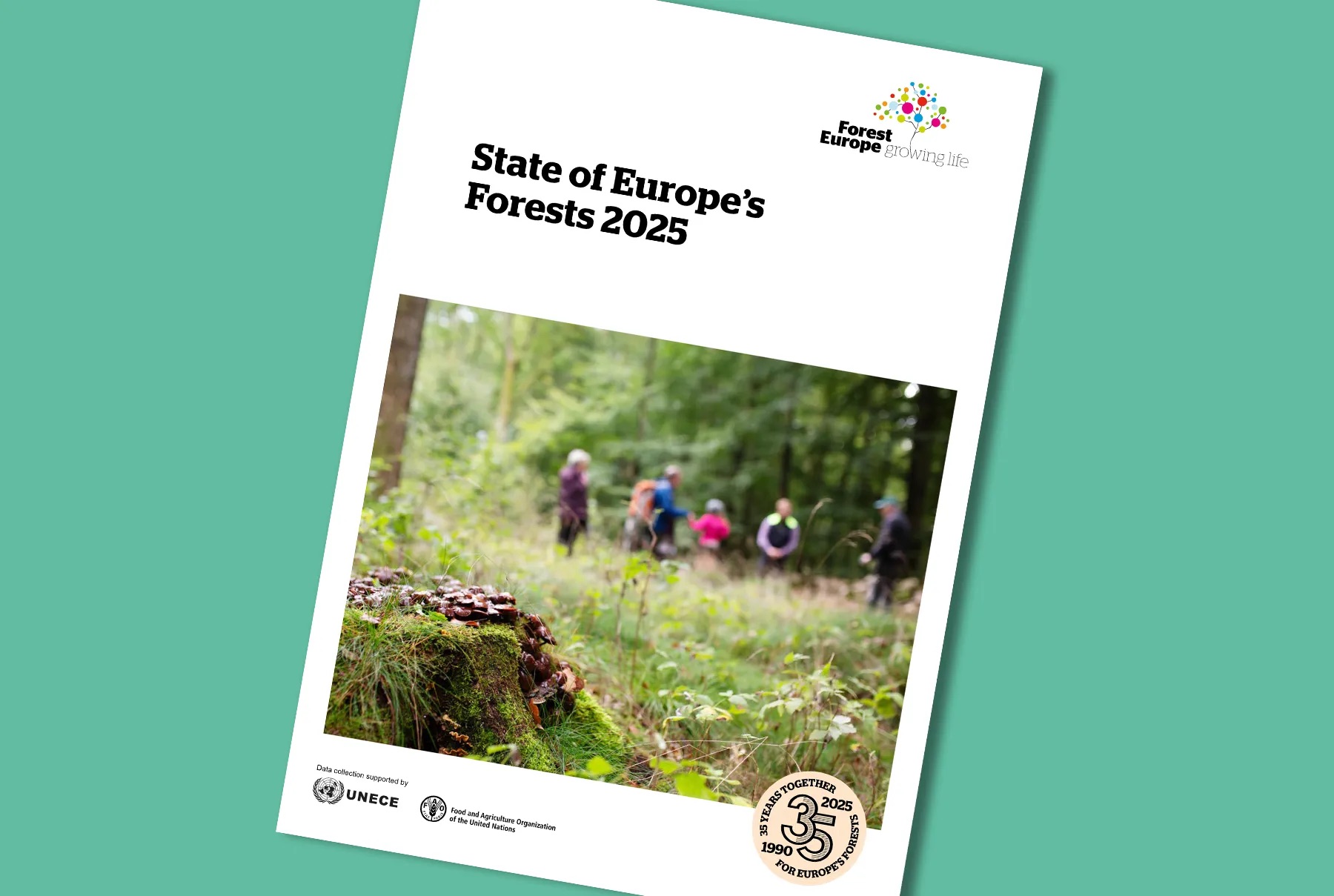
Europe’s forests continue to expand and remain a critical resource for climate mitigation, biodiversity conservation and the bioeconomy, according to the State of Europe’s Forests 2025 report. However, rising climate-related risks and growing demands on forest resources are creating new challenges for sustainable forest management.
The report, covering 45 European countries, shows forests now cover more than 232 million hectares, representing around 35% of the continent’s land area. Growing stock is estimated at 38.3 billion cubic metres, with approximately 79% located in forests available for wood supply.
Forests play a vital role in supporting ecosystems, economies and communities while contributing to climate mitigation, biodiversity conservation and the transition to renewable, fossil-free materials and energy sources.
Peter Kullgren, Sweden’s Minister of Rural Affairs and Chair of Forest Europe
The report notes that long-term forestry trends remain positive. Forest area and biomass have continued to increase over recent decades, supported by sustainable forest management, afforestation and natural regeneration. Between 2010 and 2025, Europe’s forests absorbed an average of up to 106 million tonnes of CO₂ annually, reinforcing their role as a major carbon sink.
Forest composition has also become more diverse, with around 70% of forest area containing two or more tree species. About 74% of Europe’s forests have developed through natural regeneration or expansion, while semi-natural forests account for more than 95% of total forest area.
Despite these gains, the report highlights signs that forest growth is slowing. Biomass increased by only around 0.3% over the past five years, compared with an average annual growth rate of 1.3% over the previous three decades.
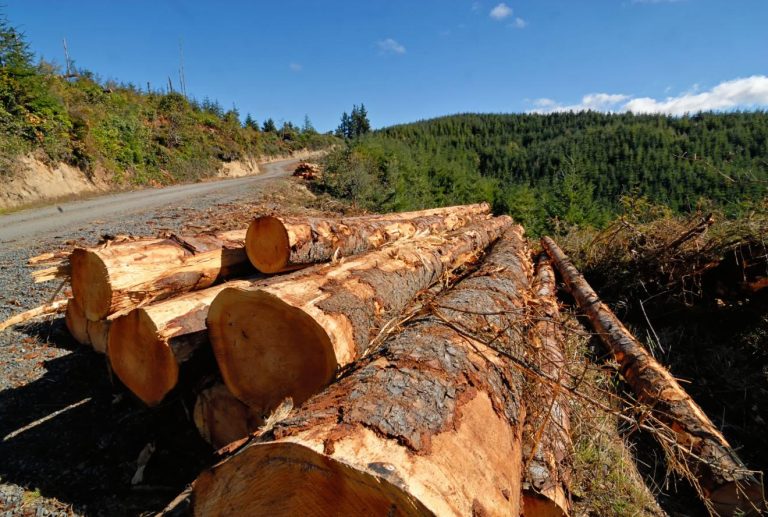
Timber harvesting has also increased, rising 47% since 1990 to more than 625 million cubic metres in 2020. Although harvesting remains below overall forest growth, with fellings representing around 81–84% of the net annual increment, the report says balancing increasing demand for timber and biomass with long-term forest sustainability will remain a key challenge.
Climate change is identified as the most significant emerging threat to Europe’s forests. More frequent droughts, storms, wildfires and pest outbreaks are already affecting forest health and productivity, with impacts varying across regions. Wildfires remain the dominant risk in southern Europe, while storms and insect outbreaks are more prevalent in central parts of the continent.
The report also notes that while policy frameworks are evolving to strengthen climate resilience and sustainable forest management, implementation is often constrained by fragmented funding, competing land uses and the need for stronger cross-sector coordination.
The report concludes that Europe’s forests remain a vital environmental and economic asset but maintaining their resilience will require continued investment in sustainable forest management, improved policy alignment and proactive measures to address the growing impacts of climate change.