By: Noor Rashidah, Asian Timber Magazine
As the global demand for timber and wood products continues to grow, companies across Asia are racing to expand their market beyond traditional markets. Despite the industry fundamentals remain strong, one critical factor increasingly determines whether these ambitions succeed or stall: the state of logistics and infrastructure. Across Malaysia and Asia-Pacific region, the quality and reliability of transport networks, ports, regulatory frameworks and supply chains are increasingly becoming key factors in whether timber producers can scale operations sustainably or find themselves where delays, higher cost and competitive disadvantage hinder the expansion plans.
Port Constraints: Export Meets Delay
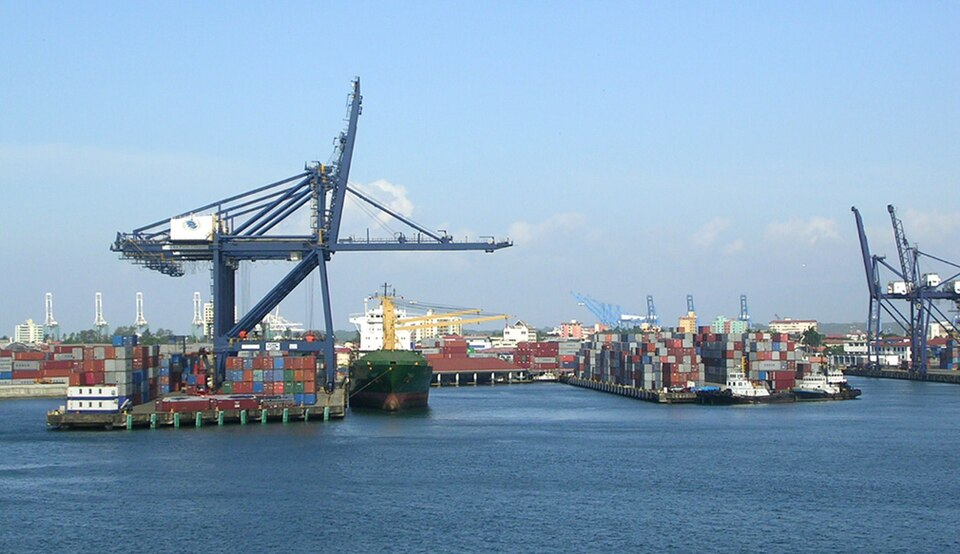
Timber exporters in Sabah, East of Malaysia have expressed an alarm over constant port issues that directly challenge competitiveness. In recent months posted by Sabah Timber Industries Association (STIA), “the number of vessels calling at Tawau Port has declined, with feeder services reduced from weekly calls to one every fortnight, a trend that will worsen without infrastructure improvements.” The practical consequences are tangible causing exporters to face mounting demurrage fees, higher costs for alternative routing and delayed deliveries that erode the trust with overseas buyers resulting against a backdrop of already tight margins.
“We have containers waiting to be loaded since mid-April, and the additional logistics costs are impossible for most small and medium exporters to absorb,” said STIA President, Tan Peng Juan.
This reflects a larger structural challenge. Malaysia’s ports vary widely in capacity and efficiency. One of Malaysia’s ports, Port Klang is known for its world class facilities, are undergoing massive expansion to handle future demand and boost Southeast Asia’s role in timber logistics, while smaller regional ports still struggle with aging equipment, limited handling capacity and insufficient rail or road intermodal connections to transport.
Fragmented Supply Chains and Regulatory Barriers
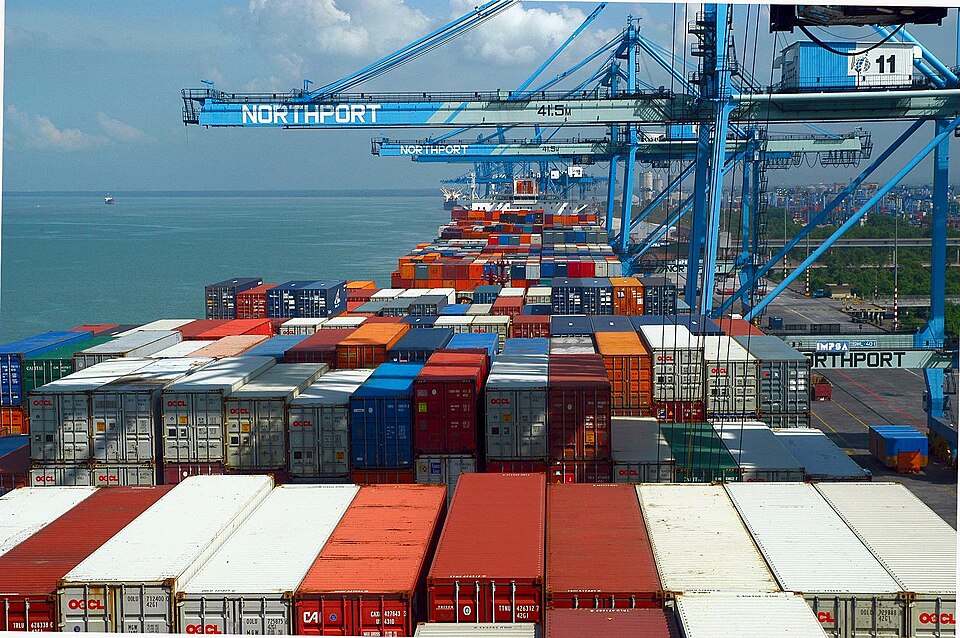
The traffic jam found in logistics aren’t confined to port gates alone, but the quality of road networks and the integration of rail, storage and distribution hubs significantly impact the flow of goods from mill to sea. One of the industry’s analysis done in Malaysia, pinpointed fragmented regulations and uneven policy coordination as the main barriers to more efficient logistics operations. Without having consistent standards across states and regional agencies, Malaysia’s timber companies and freight operators often face inconsistent compliance requirements that slow down the transit times and increase overhead in administrative industry.
Sustainability and Global Pressures
If logistics infrastructure is seen as the hardware of trade and regulation; sustainability standards are the software that reshape the timber industry. Buyers coming from Europe and North America increasingly demand proof of legality, traceability and environmental compliance before the timber is accepted at oversea ports. Having to meet these requirements are additional documentation, tracking technology and due diligence verification that many exporters especially smaller exporters find burdensome to them. This existing gap in logistic systems is where digital data flows have not kept pace with physical transport operations.
Competitive Environment and Rising Costs
In countries such as Vietnam and Indonesia, timber producers are operating in increasingly competitive environments. Significant investments in infrastructure and export corridors in these countries are compelling Malaysian timber companies to reassess their supply chain strategies. Because timber products are bulky and relatively space-inefficient compared to other manufactured goods, the industry is particularly vulnerable to container shortages and fluctuations in shipping costs. Persistent container scarcity and elevated freight rates therefore remain major challenges for Malaysian timber exporters.
When freight affordability and port turnaround times are unfavourable, timber buyers may redirect their orders to more cost-efficient suppliers causing potential stalling market expansion plans for Malaysian timber producers.
However, despite with these challenges, stakeholders are not without any solutions:
- Infrastructure investment: Expansion of major ports, such as Port Klang, can be seen as long-term anchors for regional wood products export growth
- Regulatory alignment: Ongoing dialogues between government agencies and timber industry associations can streamline cross jurisdictional approvals and customs practices
- Technology adoption: Digital tools for realtime tracking, warehouse automation and supply chain visibility can help timber companies buffer against any disruptions
Industry leaders are urged to use a collaborative approach that balances investment, policy support and international compliance. Logistics must be central to the sustainable growth strategy of Malaysia’s timber exports in a market that is increasingly competitive.