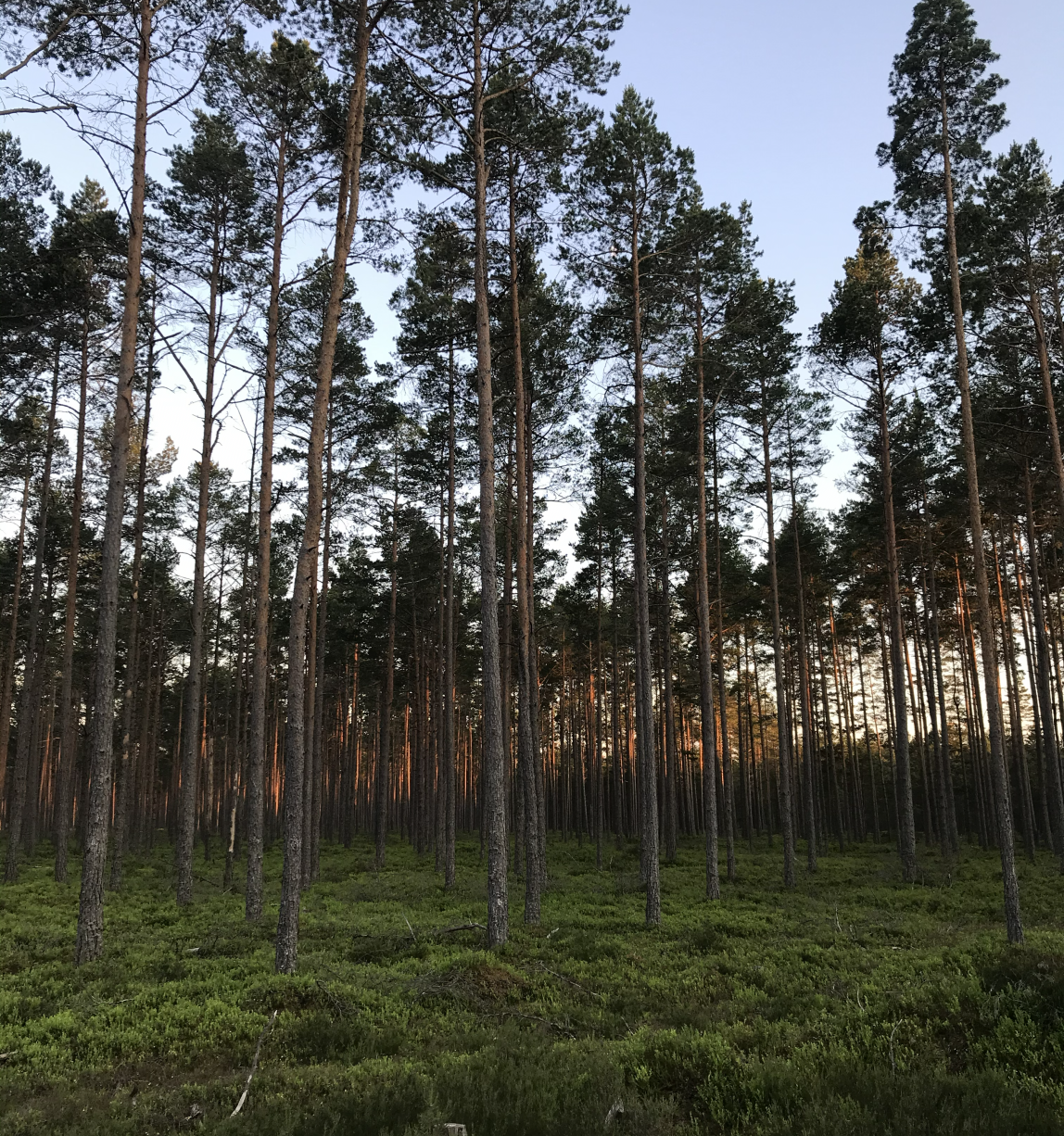
(Photo: FSC Latvia/Aidas Pivoriūnas)
Revised risk assessments for Latvia and Lithuania become effective on 1 September 2026, supporting responsible forest sourcing, biodiversity protection, worker safety and alignment with evolving regulatory frameworks.
FSC has published revised risk assessments for Latvia and Lithuania, replacing the previous assessments used by organisations sourcing Controlled Wood from these countries. These revisions mark an important step in supporting responsible and deforestation-free sourcing in line with evolving sustainability expectations and European regulatory requirements. They help organisations better understand and address risks associated with sourcing wood materials, including biodiversity conservation, worker health and safety and the protection of human and labour rights.
Key findings of the revised assessments
- Protecting biodiversity and valuable forest habitats: In both Latvia and Lithuania, FSC identified risks related to the protection of rare and threatened species and ecologically important habitats. While both countries have strong conservation frameworks, the assessments found that important species, habitats, and ecosystem values are not always identified and protected before forestry activities take place. Additional safeguards are therefore needed to help ensure these biodiversity values are consistently protected.
- Preventing forest conversion: In Lithuania, FSC identified a risk related to the conversion of natural forests for nationally significant infrastructure. Although forest conversion is strictly regulated and overall forest cover continues to grow, additional due diligence is needed where natural forests may be affected.
- Improving worker safety: In Lithuania, the assessment found ongoing challenges related to health and safety in forestry operations. Workplace accidents, inconsistent use of protective equipment, and gaps in the implementation of safety requirements indicate that additional measures are needed to help protect workers.
These findings do not indicate a lack of legal protection in either country. Rather, they highlight areas where additional safeguards are needed to ensure that existing requirements are implemented effectively in practice. To support organisations sourcing Controlled Wood from these countries, the assessments include risk mitigation measures for all identified non-negligible risks.
- In Latvia, mitigation measures focus on strengthening the protection of rare and threatened species and habitats through enhanced identification, verification and pre-harvest planning.
- In Lithuania, mitigation measures focus on improving workers’ health and safety, preventing forest conversion and strengthening the identification and protection of High Conservation Values.
Organisations may apply the recommended measures or implement alternative approaches approved by their FSC-accredited certification body. Additional examples are available through the FSC Risk Mitigation Measures (RMM) Database, which provides practical guidance for addressing non-negligible risks identified in FSC risk assessments.
The process behind these findings
The revision processes began in November 2024 for Latvia and April 2025 for Lithuania. Both assessments were developed in accordance with FSC’s updated Risk Assessment Framework (FSC-PRO-60-006b) and involved a comprehensive review of legislative and policy developments, forest governance systems, biodiversity conservation measures, occupational health and safety requirements, and other topics relevant to sourcing Controlled Wood. The assessments drew on a wide range of evidence, including national legislation, government data, environmental and social indicators, scientific studies, sector reports, certification findings and expert input.
Stakeholder engagement was a key part of both processes, with national experts contributing throughout the development of these assessments. Focused stakeholder consultations held in 2025 provided interested parties an opportunity to review the assessments and provide feedback on proposed risk designations and mitigation measures. This helped strengthen the evidence base, refine risk conclusions and justifications, and improve the practicality of mitigation measures. Consultation reports are available on the FSC Country Requirements page.
Keeping the assessments up to date
The publication of the revised assessments for Latvia and Lithuania marks an important step in strengthening responsible sourcing across the Baltic region. To ensure the assessments remain relevant and reflect changing conditions, FSC will conduct annual reviews, taking into account legislative developments, implementation experience, emerging evidence and stakeholder feedback.
Stakeholders are encouraged to submit feedback through the FSC Risk Hub, which will be considered as part of future reviews and revisions. The revised assessments are available in the FSC Document Centre (Latvia | Lithuania) and can also be explored through the Risk Hub, FSC’s online platform for accessing and navigating risk assessments.
FSC is also currently developing a revised Risk Assessment for Estonia, which will be published following completion of the assessment and approval. Information on ongoing processes is available on the Country Requirements Schedule page.
If you need further information or guidance, please contact the FSC Country Requirements Programme at country_requirements@fsc.org.
General guidance is available on the following pages:
- What is an FSC Risk Assessment? – an interview with FSC experts.
- FSC Risk Assessments information page – information on the new framework and how FSC develops risk assessments.